You Don't Have a Self-Image. You Build One.
Oct 31, 2026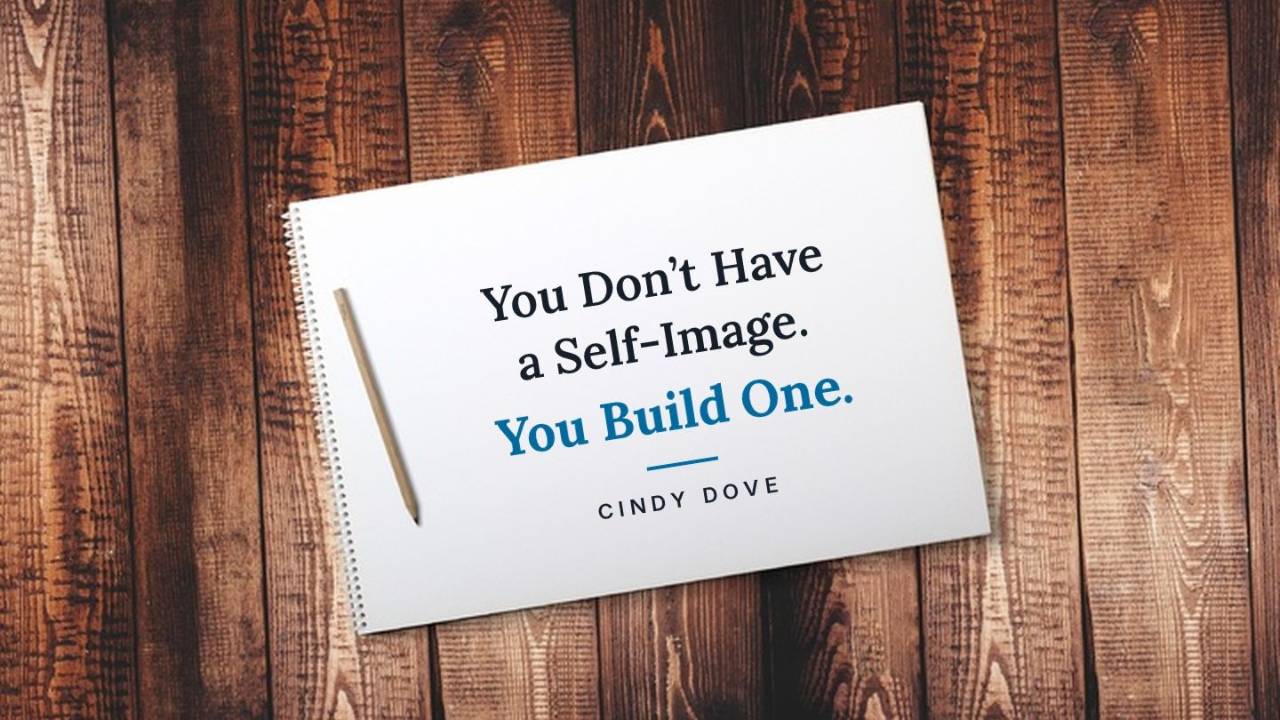
A positive self-image is not something you either have or do not have. It is something you can intentionally cultivate through reflection and consistent action.
Organizational psychologist Tasha Eurich's research found that about 95 percent of people believe they're self-aware, yet only an estimated 10 to 15 percent actually are. That gap is where leadership self-image either strengthens or slowly collapses.
The path is self-awareness, acceptance, and action. Self-awareness shows you where you need to grow. Acceptance means owning what you find instead of explaining it away or getting defensive about it. And once you own it, you can take responsibility and act on it.
Satya Nadella demonstrated this when he became Microsoft's third CEO in 2014. The company needed to move beyond its traditional software focus into cloud and mobile. Nadella's effectiveness came from relentless self-awareness and a growth mindset he modeled publicly. He spoke often about the books he was reading and how he applied what he learned. He led Microsoft through major acquisitions and partnerships while insisting the organization adopt a culture of learning. His book Hit Refresh emphasizes that leaders must become comfortable living in a state of continually becoming better. Financial performance and market value surged under that approach.
Building a strong self-image follows similar principles:
Surround yourself with people who uplift and challenge you. Who you associate with shapes the picture you carry of yourself.
Practice continuous improvement. Self-image is not static. Relentlessly push past comfort zones so your internal picture stays aligned with current capability. Keep a clear mental (and written) record of past successes.
Make feedback a regular practice. Actively solicit it without defensiveness. Three questions help: Is this person trying to help me? Do they care about me? Can I trust them? Use your judgment to apply some, all, or none of what you hear. Avoid the ostrich effect, the tendency to stick your head in the sand rather than face information that could help you grow. Feedback, received well, improves self-image because you are actually getting better.
Add daily reflection. Evaluate your self-image against your goals and values. Adjust. Nelson Mandela used his prison years to refine his self-image from activist to unifying leader by continually measuring actions against purpose.
Strategically growing yourself dissolves ego and replaces insecurity with a secure identity. You become more open to input, more adaptable, and more confident, not because you never doubt, but because you have a track record of moving forward anyway.
Leaders who keep growing on purpose become the people others can trust to help them grow. Plenty of people mean well and want to help, but you can't take someone further than you're willing to go yourself. If growth is what you're after, look for a mentor who is still growing, not one who is drifting. Then be that leader for the people who look to you. That is the self-image that sustains long-term influence.
by Cindy Dove
90-DAY GUIDE: Lead Your Team Through Any Leadership Challenge
Did You Know?
Growing your leadership acumen is the fastest way to equip your team to lead through today's leadership challenges.
We've been equipping leaders like you for decades. We know you do not need another theory. You need a clear starting point and a simple system. This guide gives you both.
Includes a 90-day action plan.
We hate SPAM. We will never sell your information, for any reason.