Weekly Leadership Digest
Run It On a Real Situation
The framework is only useful if a person with no title, limited time, and a real sting can run it before the week is over.
A 4-part weekly digest from Wes & Cindy Dove
This Week's Video — Run It On a Real Situation

Run It On a Real Situation
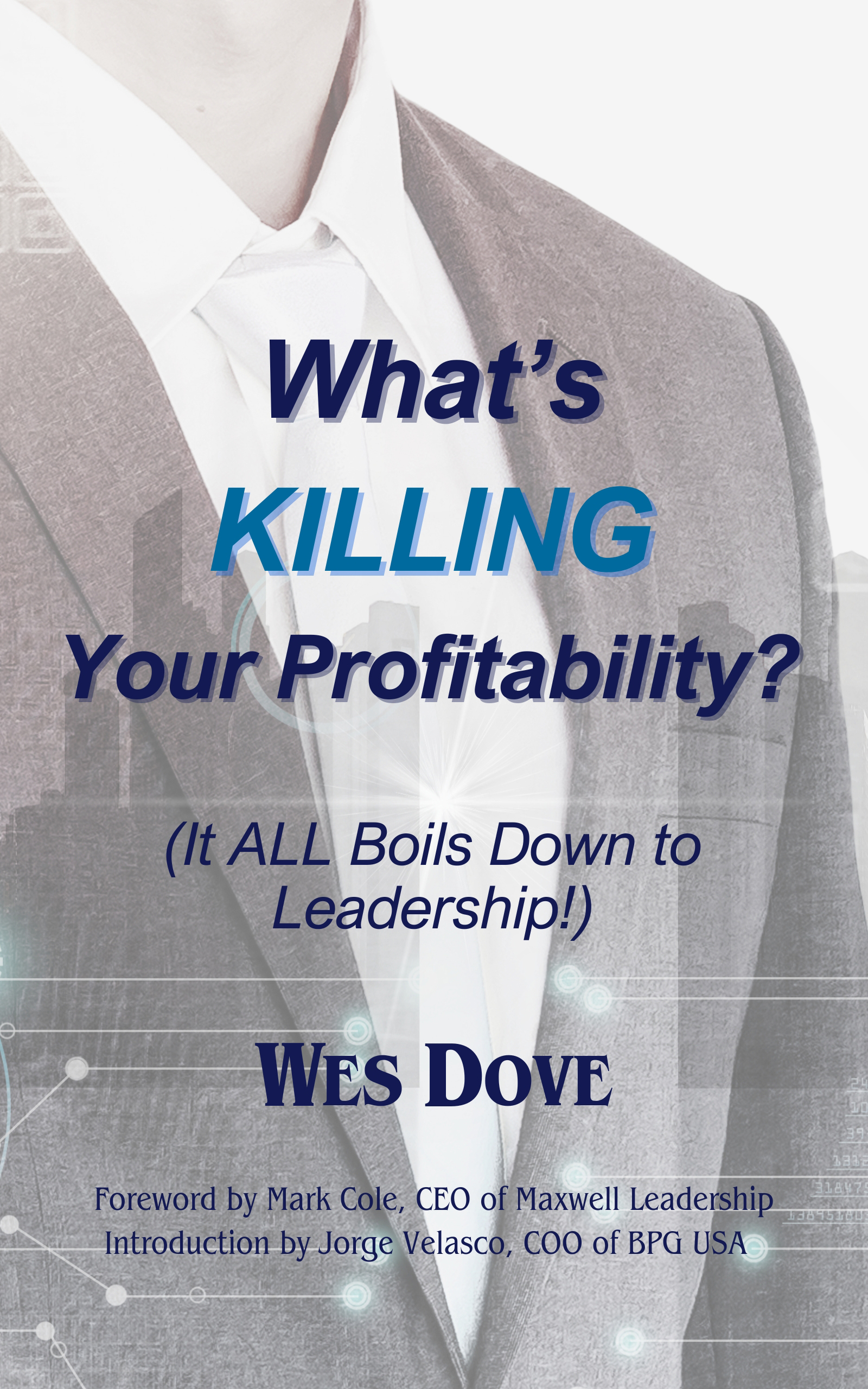
Be honest with yourself here because I may never know how you answer this in your own head: how often have you attended an event or a course, taken pages of notes detailing all the great ideas you had while you were there, then got slammed by all the urgencies of life the moment you got back to your office. Cindy and I have seen that more times than we can count, and we’ve experienced it too! The HR Manager I worked under (indirectly) for more than a decade always held me accountable for providing a list of what I learned and, more importantly, how the specific action step I would be implementing would improve our organization’s productivity and profitability. His clear (and high) expectations had such an impact, which often felt like adversities in the moment, that Cindy and I have built the same kind of expectation into every lesson we deliver. That also served as the premise for me writing What’s KILLING Your Profitability? (It ALL Boils Down to Leadership!) a few years ago.
Nearly all of our digital programs have assessments tied to each lesson, challenging participants to detail what they plan to apply immediately, the result they want to achieve, and what they can do to sustain that new action long term. While those have their place and add tremendous value to a lot of people, the biggest gap we’ve seen is follow-through. Without someone to be accountable to, many of us still get pulled toward whatever fire is currently burning our backsides. Through in-person engagements, like our Emerging Leader Development course, we always kick off the second session by having each participant detail what they’ve applied since the first session and we circle back soon after the engagement to present certificates of completion to every participant who identified at least one action step from each lesson — and shared it with whoever they report to. Since our IMPACT Leadership Academy and Executive Leadership Elite Think Tank groups consist of mid- and high-level leaders with packed schedules, we build time into those sessions for them to map out their action steps before they ever leave — because we know their fires are usually waiting the moment they walk out the door.
Related Read
What’s KILLING Your Profitability?
It ALL Boils Down to Leadership!
Hopefully, the adversities I’ve shared through this process and the questions I challenged you with after each have helped you list a multitude of seeds that you had never recognized previously. If adding them to a list is all you do, though, I’ve failed you. Even with the six steps we just worked through for leading from wherever you stand, I know all too well how easy it can be to get pulled back into the routine of dealing with whatever is most urgent while some of the most important things we can do to move forward get pushed to the back burner. Here, as much as anywhere else I’ve ever seen, this framework delivers the most value when those six steps are put in place immediately, executed consistently, and progress is measured intentionally.
If you already have a position with leadership responsibility, my challenge for you is to identify the situation you’re dealing with today that you can run through those six steps AND pick the person you’re willing to be accountable to as you do it. That said, this framework is even more useful for the person with no title, limited time, and a fresh adversity that still stings. If that’s you and you want to lead from where you stand right now, be sure to run it before the week is over. Make no mistake, though, your first time through these steps is bound to be messy. That’s fine. Avoiding them is not. You’ll be able to measure your harvest in influence, so we’ll dig into that next.
“Your first time through these steps is bound to be messy. That’s fine. Avoiding them is not.”
The Harvest Metric Is Influence, Not Relief
Having just emphasized why running the six steps from leading from wherever you are through a real situation is even more useful for someone without positional authority, let me explain why. Cindy and I were first introduced to John Maxwell’s work in early 2001, not long into our marriage and very soon after we had each accepted roles where we were expected to get results with the teams around us without any authority whatsoever. I can’t remember if it was through an audio lesson (on a cassette tape in those days) or from one of his books, but John’s quote that “Leadership is Influence. Nothing more, nothing less,” resonated with me immediately. And it has since. We’ve seen hundreds, maybe even thousands, of good people in supervisory and management roles who couldn’t lead silent prayer, largely because they didn’t understand that leadership is built on influence. Even if they did, I doubt they had even been provided with a practical approach for earning that influence.
Not only did the roles Cindy and I held in 2001 carry zero authority, every role either of us held for the remainder of our corporate careers was the same. In every single one, though, we were both held very accountable for achieving measurable results with and through people we could never force into compliance. Quite honestly, that’s why each adversity I’ve detailed through this process has had a tie back to influence earned without positional authority: press operator to trainer, being a parent with no control over a diagnosis, receiving a job offer on a position with global responsibility for just $50k per year, and so on. The constant through all of those situations was that we kept looking for every possible seed we could find that would hopefully lead to the equal or greater opportunity Hill promised. And we kept sowing and nurturing those seeds — even when we didn’t feel like it.
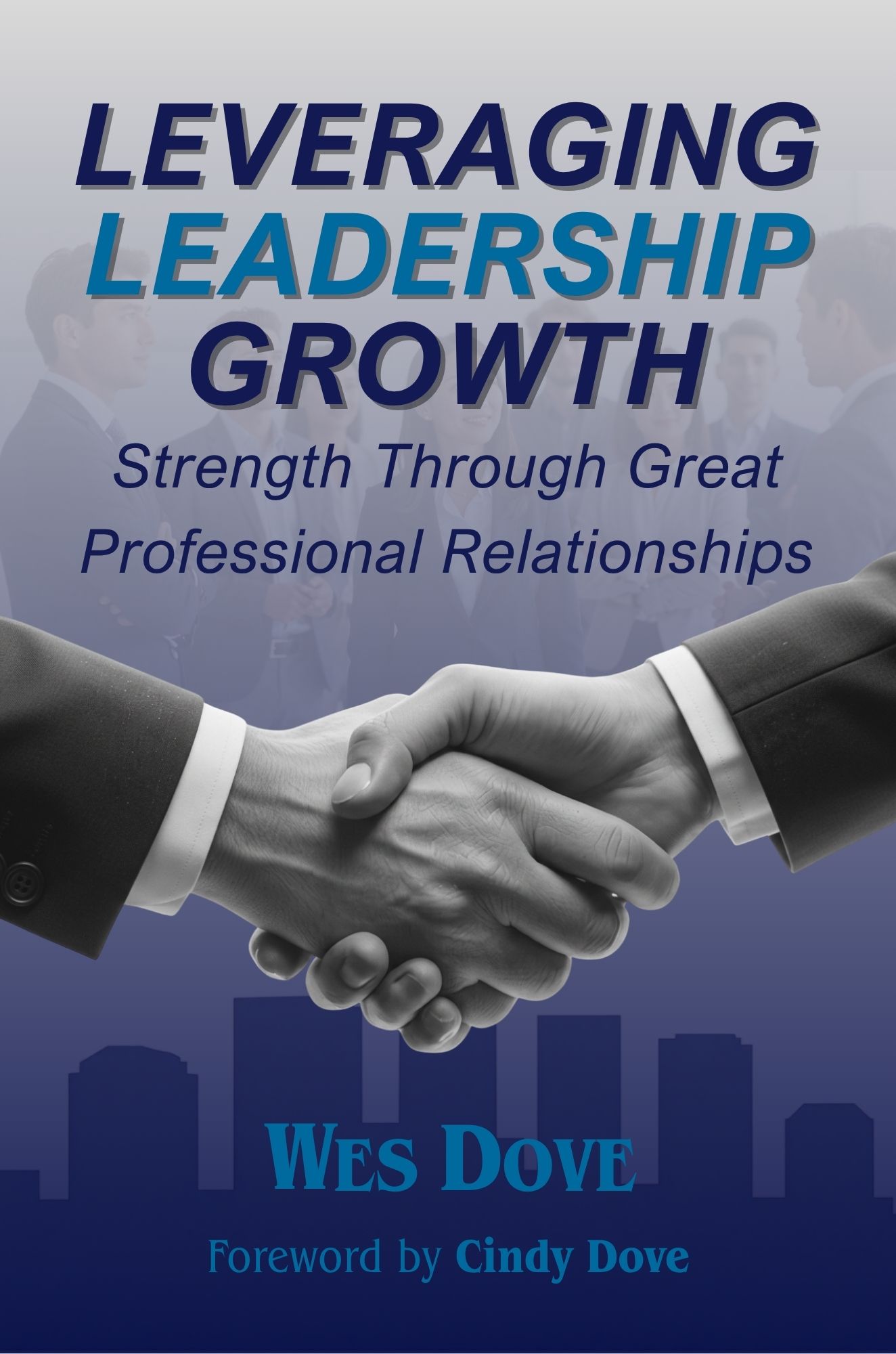
That consistency and determination did indeed help us earn influence that no title would have ever provided, but that wasn’t the real harvest. The metric we’ve found the greatest harvest in was tied to how that influence has, over time, allowed us to sow into people that will carry many of the lessons we’ve learned long after we’re gone. As part of a Live2Lead event we hosted locally years ago, I heard Tyler Perry mention that by the time he had made enough money to be able to step away from his businesses, he knew the impact he was making may never allow him to step away. While I didn’t think about his comment at the time, I felt a very similar burden as I was writing the initial manuscript to Leveraging Leadership Growth: Strength Through Great Professional Relationships. The more opportunities I’ve had, the more weight I feel for doing everything in my power to make sure whoever is willing to listen has access to whatever lesson I can provide.
Our harvest metric is absolutely influence, but I can’t say that’s come as a relief. If anything, the adversities have become larger. Having worked so diligently at identifying every seed we could possibly find for so long has given us a foundation for handling each new challenge more effectively. And that’s taught us that leading from wherever you stand means the next room does not have to change before you do. Quiet consistency after the crisis is the harvest people actually feel. As we wrap this up, we’ll work through the exact next steps you need to take to lead from where you are already standing. Before we do that, take the time to name one person who has watched you in a bad situation. What did your handling teach them, on purpose or by accident?
Coming November 19, 2026
Leveraging Leadership Growth
Strength Through Great Professional Relationships — with a Foreword by Cindy Dove.
“Quiet consistency after the crisis is the harvest people actually feel.”
Lead from Where You Are Already Standing
By pulling each seed we’ve been able to identify from our adversities, Cindy and I have become better equipped for dealing with whatever challenge we face next, but that doesn’t mean it’s necessarily been easier. Even while using the influence we’ve earned with individual leaders and their organizations as a primary metric of our harvest from those seeds, the times most people would look at as relief have been few and far between. But that direct measure of influence has only been part of the metric.
We’re often with groups where a large portion of our audience have no direct reports. For years, we’ve opened those sessions by asking for a show of hands from everyone in the room who has leadership responsibility. You can almost set your watch by it. (That’s an analogy for anyone old enough to know how to set an analog watch…) The folks who raise their hands have people reporting to them and those who don’t have direct reports almost never raise theirs. Inevitably, some of those who don’t see themselves as “leaders” have some sort of customer-facing role — be that internal customers or the actual customers making the cash register ring. That gives us an open door to emphasize how influence is earned through providing someone with support through a scenario they couldn’t navigate as well on their own. That service, and the influence it earns with the individual, is the essence of leadership.
I started this process by sharing a broad idea and asked you to think about all the seeds that may still be hidden in the adversities you’ve faced over the years. Then step by step, I built what I hope has served as a chain detailing how the adversities I’ve faced — and pulling whatever seed I could find in each — has helped me be more prepared for the next. Most recently, I warned against allowing bitterness to prevent you from realizing the full legacy you’re capable of: your true harvest. Through this framework, the six steps and running them through a real situation of your own, my goal has been to hand you the tools for connecting the dots in your own series so profitability, purpose, values, and relationships can converge into the influence you earn.
You do not need the next title, the next room, or the next clean season. You lead from the spot you’re already in, with the only two things I mentioned as being in your control from the very beginning of all this: your attitude and your actions. And as I said then, even those are often damn hard to control. Making the best of your bad situations is not about just surviving and it’s not about a prettier ending. It’s a way to lead, starting today, from the role you’re in, the shift you’re currently assigned to, or the unpaid extra mile you’re already on. Before I task you with one last set of questions as “homework,” look back at what you listed as we began working through this framework and write one simple sentence detailing how you will lean into it over the next month — from where you’re already standing.
“You do not need the next title, the next room, or the next clean season.”
A Plan for the Next Seed
I want to close this with something I mentioned at the very beginning and I’ve stressed several times along the way. I’m not looking for sympathy from any of the adversities I’ve shared, not a single one. In fact, I don’t even want it. This has been one of the most awkward things I’ve ever done, but the two conversations I had in a single day as I was initially mulling the idea left me with a conviction that I needed to push through — whether I wanted to or not. The sole purpose driving all of this has been to provide a real-world look at the challenges we’ve faced over the years, most of which weren’t extreme and likely things you could directly connect to situations you’ve been through, so you could sift back through any remaining memory of those to find any previously hidden seed that could lead to your equal or greater opportunity.
The idea behind Making the Best of YOUR Bad Situations starts with leading from where you are already standing. Doing that is as simple as following the six steps we’ve just walked through and running them on each real scenario you’re faced with.
I closed each chapter prior to this with a list of five questions geared at helping you “mine” the seeds from whatever experience you connected to the ones I shared. While I am about to give you five more questions, the “homework” will require more. This time, my challenge for you is to build a working plan, not just some prompt in a journal that you may or may not ever look at again. This should fit on a single page. More importantly, it should be something you revisit over and over again, each time you’re fighting through any kind of adversity.
Your final questions for building a plan for finding your next seed:
- What bad situation, current or unfinished, will you run the six steps on first?
- What seed is in it, and which leadership attribute will you have to use on purpose to nurture it?
- What decision and what simple plan will you make this week?
- Who will feel the harvest if you sow more than required, and who will hold you to it?
- Thirty days from now, what will be different in how you lead from where you already stand?
I referenced targeted reflection at the beginning of this journey and I’ve hit on it multiple times along the way. I’ve also shared how much I struggle to do it because I don’t want that to be your excuse for choosing not to build it into your routine. There’s no rule that says you have to like it. If you’ve accepted the responsibility for leading, the people around you are counting on you. That targeted reflection has been key along the way, but now it’s time for a written plan. The next adversity will not wait for a cleaner season, not for me or for you. Write your plan today. Share it with one person who will ask you about it in thirty days — and thirty days after that. Then go lead from where you’re already standing and be intentional about Making the Best of YOUR Bad Situations!
“The next adversity will not wait for a cleaner season, not for me or for you.”
90-DAY GUIDE: Lead Your Team Through Any Leadership Challenge
Did You Know?
Growing your leadership acumen is the fastest way to equip your team to lead through today's leadership challenges.
We've been equipping leaders like you for decades. We know you do not need another theory. You need a clear starting point and a simple system. This guide gives you both.
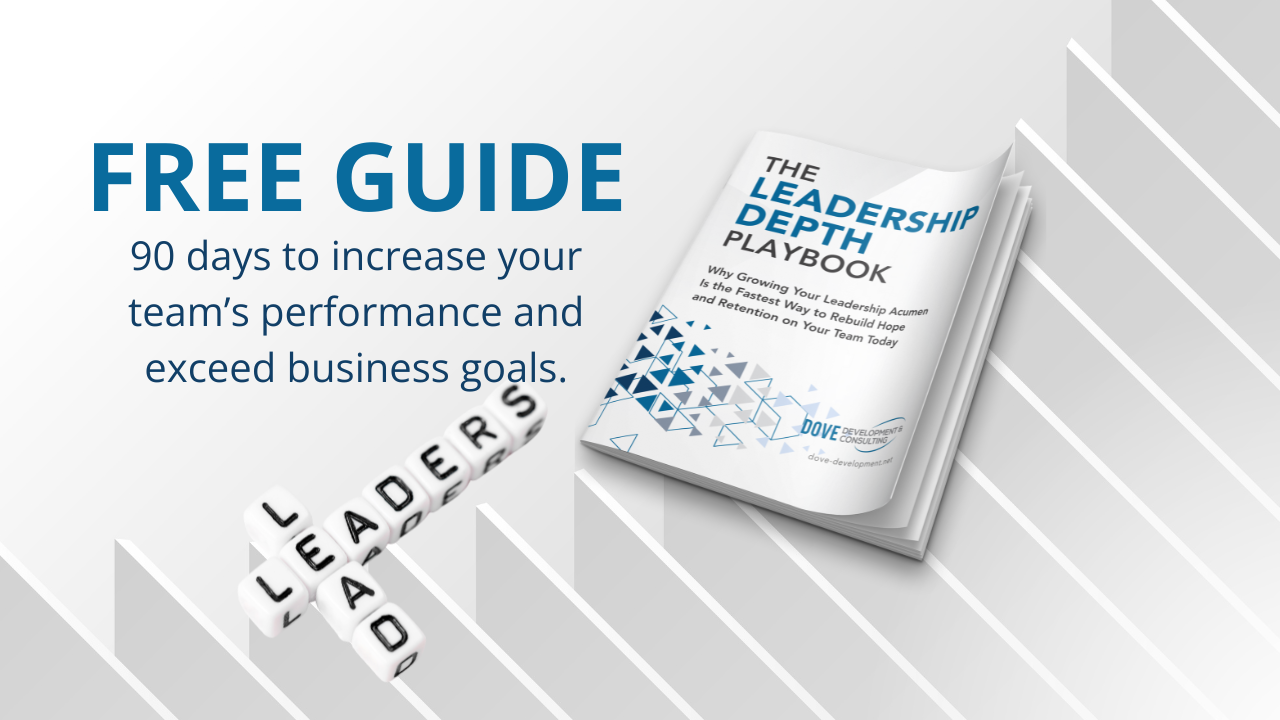
Download the Leadership Depth Playbook
Includes a 90-day action plan.
Just want the newsletter?
Skip the guide and get the monthly Resource Guide by email — leadership insights, no strings attached.
Already a leader who wants more?
200+ leadership lessons, live sessions twice a month with Wes & Cindy, and SHRM/HRCI credit for every lesson.
Try Leading At The Next Level Free for 14 Days »