Weekly Leadership Digest
Lead From Wherever You Stand
Six steps. Same order every time. Light enough to remember, specific enough to do this week.
A 3-part weekly digest from Wes & Cindy Dove
This Week's Video — Lead From Wherever You Stand

Lead From Wherever You Stand
Since starting Dove Development & Consulting in 2015, Cindy and I have focused heavily on providing leaders, not just folks carrying supervisor or manager titles, with tools they can apply immediately to earn influence with the teams they’re responsible for so they can achieve measurable results. We invested a tremendous amount of time, energy, and resources into developing material that could support these leaders through that process. My goal was always to share the information then get out of the way. I’ve seen far too many consultants work to embed themselves in organizations, doing things the people in those organizations were capable of doing for themselves. That intentional hands-off approach was a failure on my part; I assumed everyone we worked with would take what we shared and run with it. What I didn’t account for, albeit out of the purest of intentions, was that each of those leaders already had more plates spinning than they could keep up with and changing their routine to implement a new behavior was never going to happen automatically — even if it was the absolute right thing to do and they wanted to do it.
Over the last several years, Cindy and I have been very intentional about creating practical “frameworks” for applying nearly everything we teach, largely because Cindy has stressed how important those are for moving the material from good ideas to repeatable action. In fact, I closed the original version of The Values Advantage with one of those frameworks. That soon grew into an “Optimization Guide” that maps out how an organization can strategically move through five stages of Values Alignment and build processes that ensure their core values are part of the everyday routine — at every level. And that led to creating Optimization Guides for each of the other four pillars of our People Optimization System and another geared specifically at building effective communication into every aspect of how the organization operates.
Related Read
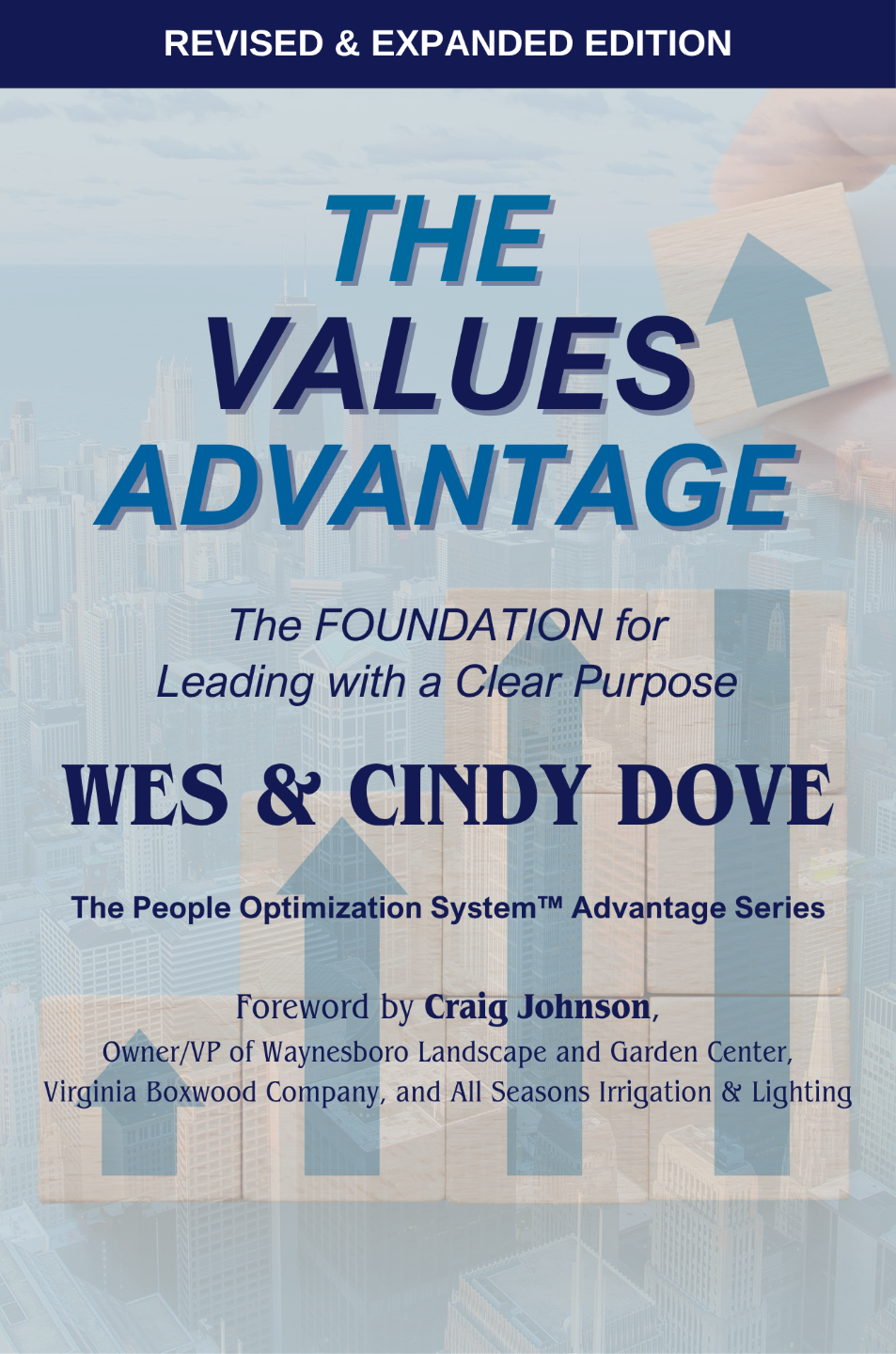
The Values Advantage
The framework that closed the original edition grew into the Values Optimization Guide — five stages of Values Alignment, built into the everyday routine at every level.
In the fifth lesson of our Emerging Leader Development course, I stress how systems have helped me accomplish things I never would have dreamed of. I define a “system” like this: “The process of predictably achieving a goal based on a logical and specific set of how-to principles.” Even in doing that, it still took me several years to realize that I wasn’t providing systems the leaders we were working to serve could easily follow.
With hopes of helping you make the harvest you pull from your bad situations more automatic, using the toolkit made up of the eleven leadership attributes we’ve discussed in so much detail to this point, we’re going to work through a framework for leading from wherever you stand. We’ll work through six steps you can immediately build into your own routine. And here they are, six steps. Same order every time. Light enough to remember, specific enough to do this week.
- Name it. Stop drifting. Call the bad situation what it is, without drama and without denial.
- Find the seed. Reflect before you react. Look for the equal or greater benefit hidden in the dirt.
- Own your part. Take full responsibility for your attitude, your actions, and the ripple. Do not take blame that is not yours, and do not hand yours off.
- Decide and plan. Make the decision, then plan the work and work the plan. Filter both through purpose and values.
- Sow more than required. Do more than paid for. Keep a pleasing approach and real sympathy in the mix. Consistency nurtures the seed.
- Harvest through people. Cooperate. Pass the lesson on. Influence is the crop, and it does not require a title.
The next two segments will show these steps in motion, not as some poster for your wall. Making the best of a bad situation is not a mood. It’s intentionally applying these six moves. Before we do that, be sure to write each of the six on one card. You will use them before we wrap up!
“Making the best of a bad situation is not a mood. It’s intentionally applying these six moves.”
Name It, Find the Seed, Own Your Part
The earliest adversities I detailed through this process didn’t just serve as a foundation for learning to hone each of Hill’s leadership attributes, those initial struggles played a pivotal role in me even understanding how necessary looking for the hidden seed really is. Without coming to terms with that, I may have never realized that many of those “fine” situations at the beginning of my career were illusions. I’ve seen so many great people get hit with a challenge and struggle through it the best they can, only to run into a very similar issue soon after. All too often, the only thing that comes from this revolving door process is a story that gets shared at the lunch table explaining why they are where they are. Truth be told, Hill’s quote — “Every adversity, every failure, every heartache carries with it the seed of an equal or greater benefit.” — was key in me recognizing that I had no choice but to dig for more than an excuse from each tough situation I had to fight through.
While the harvest has never been automatic, neither has identifying any seed. To have the slightest chance, we have to name it. Coasting through life’s ups and downs may be the path of least resistance on any given day. I remember sitting through a training session in my mid-twenties and hearing someone explain that we could pay the price of discipline or the price of regret. They followed that comment by saying the price of regret was much higher because it came with all the interest of neglecting discipline. Once we’ve named the adversity for what it is, choosing discipline and putting an immediate stop to how we’ve drifted through similar previous ones is a solid start. Avoid the drama and denial with everything we have inside us.
Then, and only then, do we have an honest chance of finding the real seed hidden inside that adversity. That’s where reflection comes into the mix, the reflection that’s still incredibly difficult for me. Not only does that require us to scour through events we’d rather never think about again, it will force us to look at them closer than we ever have for any possible greater opportunity.
Once we’ve found each seed, our work is just getting started. Without owning the role we had in the initial adversity, taking possession of the greater benefit is highly unlikely — and we may just find ourselves going through the exact same thing again. But when we take full responsibility for our attitude, our actions, and the ripple effect that follows, we’ve started the nurturing process. Owning our role means accepting blame when it’s ours to accept. Don’t misunderstand me here, though, I’m not suggesting that we take on blame that’s not ours. Pull what we can and move on.
These first three steps keep us from wasting the seed. Drift misses it. Bitterness spends it. Blame keeps us from planting it — and it may actually hand that seed to someone else who will plant it. The next three steps continue this process and help ensure we can lead from wherever we stand. Before we work through those, think about the bad situation you listed earlier when I mentioned that my harvest was never automatic. Name it in one sentence. Identify one possible seed right now, then write one thing that’s yours to own and one thing that’s not.
“Drift misses it. Bitterness spends it. Blame keeps us from planting it.”
Decide, Sow, and Harvest Through People
Naming the adversity for what it is, finding whatever seed we can draw from it, and owning the role we played in how it happened starts the process. If we stop there, though, we’ll stand little chance of ever capturing the greater opportunity available from it. And that leaves us with nothing more than a bad experience. Without making a definite decision, coming up with a definite plan for sowing the seed we find, and determining who we can sow that seed with, we’re effectively choosing to allow that seed to go unnurtured.
For more than a decade, Cindy and I had no choice but to develop extremely detailed plans for digging out of the financial mess we were in, maneuvering the professional setbacks we encountered along the way, and navigating the career transitions that followed. Even then, the most thought out plans are useless until we back them with action; that requires making (and committing to) a decision.
As we progressed through what a lot of the people around us saw as bold leaps, strong stands, and a stinking pandemic, leaning on our values was crucial for continuing to sow when it would have been far easier not to. I’ve said it a few times already but it’s worth mentioning again here: sowing consistently and continuously should be viewed as a requirement, where we sow is not. Learning to understand the importance of values-alignment then developing the ability to recognize where that existed (and where it didn’t) allowed us to keep sowing when bitterness could have knocked us off course.

The Framework
The People Optimization System
Optimization Guides for every pillar — practical systems that move what we teach from good ideas to repeatable action.
For me, those fourth and fifth steps are fairly straightforward. The sixth, however, could be misinterpreted, so I’ll address the potential elephant in the room. Harvesting through people is in no way something we should ever look at as anything less than a definite win/win proposition. In teaching the DISC Model of Human Behavior, Cindy and I are very intentional about addressing the motives behind how those tools are used. We can all point to situations where people in leadership positions have said or done things to manipulate the people around them for personal gain. Notice I said “people in leadership positions” rather than calling those people “leaders.” A leader is responsible for serving their team, not getting ahead at their expense. When we have a solid values-alignment and we’re committed to truly serving the people who count on us for leadership, we can indeed expect to reap a harvest through the work we do with them.
There’s one thing I’ll caution you against, though: don’t allow one bad situation to sour you. Far too many people stop following this process after step three or four when someone has taken advantage of them. I get it. I’ve often heard about the cat that jumped on a hot stove; that cat never jumped on a hot stove again, and it didn’t jump on a cold stove either. It stayed away from stoves altogether. There will be times where it seems easier to take our journey alone. And we may even be able to get better results in that moment, but if we take that same approach over the long haul we’re sure to sacrifice the harvest we can gain through people. We will hit a lid on our own capacity. The decision to push through it and to sow even when we don’t want to is what leads to a bigger harvest — for us and the people we can impact along the way. We’ll just need to be aware of the places where seeds shouldn’t be planted.
Before challenging you to run this on a situation of your own in real time, take this to heart: Naming the adversity gets us started, finding the seed means we have something to work with, and owning our part usually means we’re ready to move forward. That said, a found seed still dies without a decision, a plan, and someone to sow with. Influence is the harvest, and it shows up in cooperation, not in a title. For the same situation I asked you to jot down last time, write one decision, one extra-mile action you can take immediately, and one person who should feel the benefit.
“A found seed still dies without a decision, a plan, and someone to sow with.”
90-DAY GUIDE: Lead Your Team Through Any Leadership Challenge
Did You Know?
Growing your leadership acumen is the fastest way to equip your team to lead through today's leadership challenges.
We've been equipping leaders like you for decades. We know you do not need another theory. You need a clear starting point and a simple system. This guide gives you both.
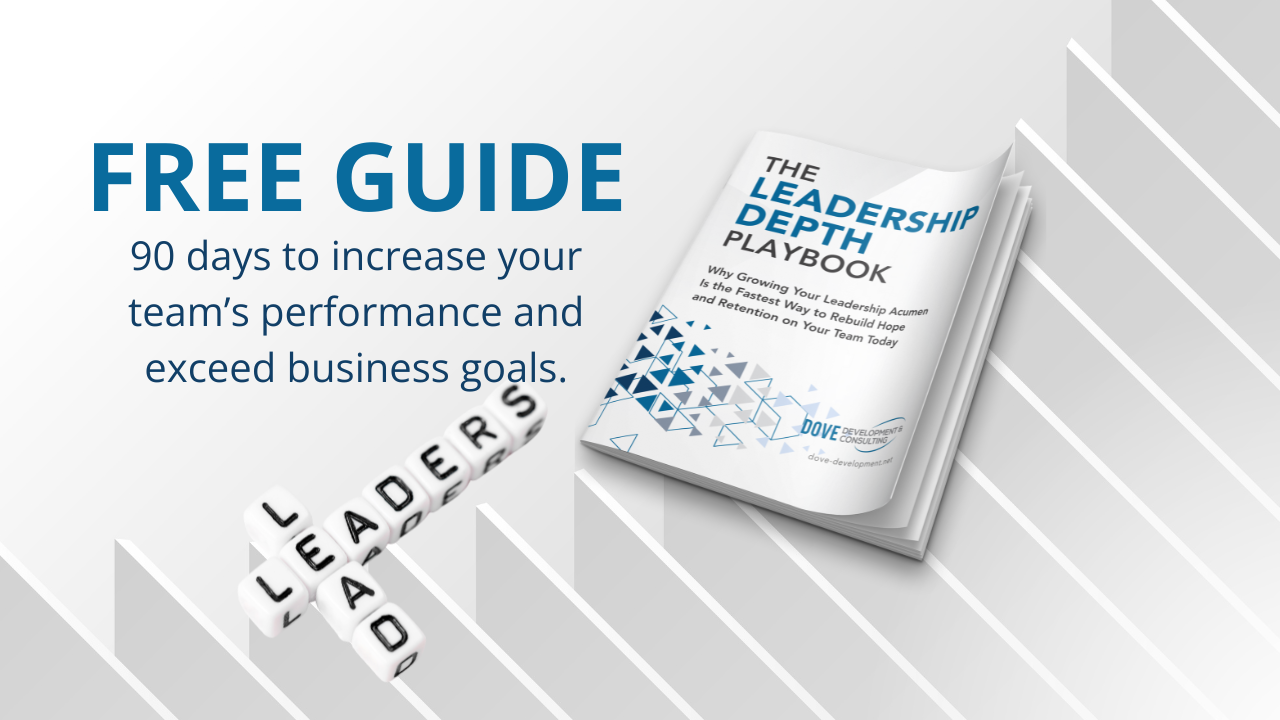
Download the Leadership Depth Playbook
Includes a 90-day action plan.
Just want the newsletter?
Skip the guide and get the monthly Resource Guide by email — leadership insights, no strings attached.
Already a leader who wants more?
200+ leadership lessons, live sessions twice a month with Wes & Cindy, and SHRM/HRCI credit for every lesson.
Try Leading At The Next Level Free for 14 Days »