Weekly Leadership Digest
The Harvest Was Never Automatic
Leadership is the harvest. It starts wherever you are standing when the next adversity shows up.
A 3-part weekly digest from Wes & Cindy Dove
This Week's Video — The Harvest Was Never Automatic
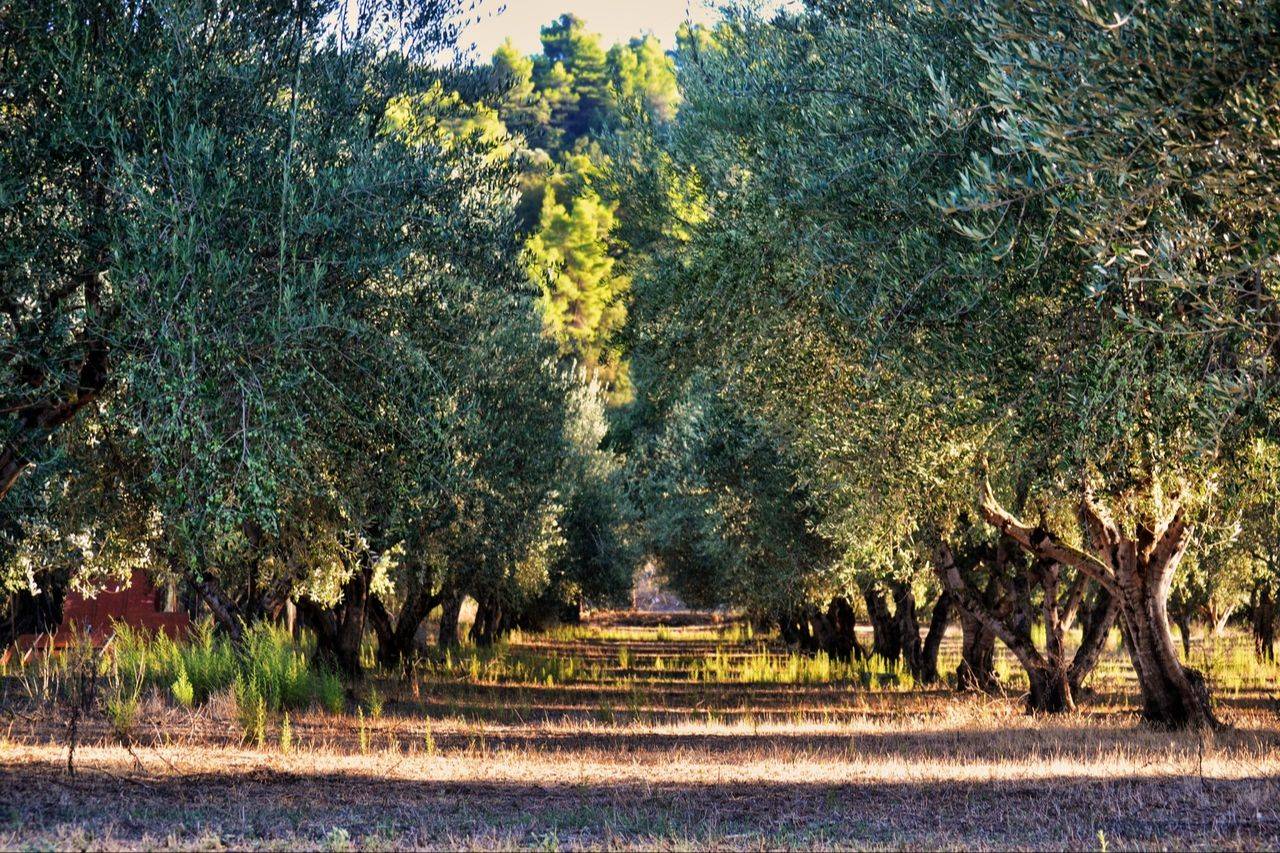
The Harvest Was Never Automatic
To be sure I’m pounding the drum as hard as I can, here it is again: “Every adversity, every failure, every heartache carries with it the seed of an equal or greater benefit.” That statement only becomes true when someone finds the seed and does the work. The eleven attributes we’ve worked through are how that work gets done. The harvest is influence, not a better story.
The equal or greater benefit Hill promised in Think and Grow Rich is never automatic, and it is absolutely not reserved for people with authority. Making the best of a bad situation is a discipline: name it, find the seed, own your part, decide and plan, sow more than required, and harvest through people. Leadership is the harvest. It starts wherever you are standing when the next adversity shows up. And this next adversity WILL show up soon enough.
If you’ve paid much attention to the timeline to this point, you likely noticed that this has covered just over thirty-five years. I certainly haven’t detailed every adversity I’ve ever faced. In complete transparency, there are plenty that don’t deserve to ever see the light of day again. And depending on when you’re reading (or hearing) this, it may seem a bit dated. Don’t think that just because the last adversity I detailed in this process landed in our lap in late 2024 that we’ve since stumbled onto some sort of magic potion that prevents crap from happening around us; I can assure you that’s definitely not the case. I could write a whole damn book on just the adversities we’ve experienced in the few years since. That said, I’m not quite ready to relive most of those yet — but we have consistently mined each for any possible seed for every greater opportunity we can pull from them.
Rather than continuing to detail things that have been awkward to share anyway, let’s close the loop with a practical process you can follow for systematically Making the Best of YOUR Bad Situations. I frequently talk about how I’ve never seen myself as being talented in any one thing. I developed a solid work ethic early on and I learned the importance of consistency. Those two things alone wouldn’t have been enough, though. I still had to discipline myself to learn from tough experiences; that’s been through the reflection Cindy still holds me accountable to do routinely today. That combination has made an incredible difference, and the results have compounded over time.
Again, though, nothing about what I’ve done is special. A harsh reality is that most people quit, blame, or coast. The ones who harvest do a small set of things on purpose, from whatever spot they are already standing in — regardless of any position, title, or authority they may (or may not) have. Right now, before we go any further, pull up one bad situation you wrote down somewhere in this process. Is it still a story, or have you found a seed in it? Once you’ve done that, you’ll be ready to learn the value of one chain and four lenses.
“The harvest is influence, not a better story.”
One Chain, Four Lenses
I’ve been very intentional about sticking to a timeline, with the exception of the overlap between how global disruptions forced us to adapt through unforeseeable situations and how we had to take a firm stand in defending the vulnerable during that same stretch. My goal in following that step-by-step process was to emphasize how each adversity, regardless of how big or small it is in the grand scheme of things, can serve as preparation for all that will inevitably follow. That said, preparation only comes when we assume full responsibility for identifying and nurturing any possible seed hidden within those adversities.
Looking back to my early teens, the things that seemed toughest then were really insignificant. Without those experiences, though, I may have never developed the foundational discipline and responsibility that helped me begin measuring profitability and productivity in the roles I held in my early and mid 20s. Those early stumbles planted the first seeds, even though it took me a few years to understand what to do with them. Scarcity through the first several years of our marriage forced us to develop the clear purpose behind what we were doing each day then and for each step we’d take moving forward. Without closely held core values, ones we’ve continued honing over the last three decades, any given career leap or institutional battle could have knocked us off track. And had we not built incredibly strong relationships along the way, personally and professionally, any one of the most difficult situations we’ve faced over the last decade would have likely put us out of business — or worse. Each step has truly been preparation for the next. Profitability, purpose, values, and relationships are one chain, not four separate topics.
Related Read
The Values Advantage
How closely held core values keep each career leap and institutional battle from knocking you off track.
Adversity taught the measurable traits, clarified purpose, tested values, and refined relationships. Remove any one of those and the harvest fails. Even then, though, none of those things happen automatically. All too often, we don’t recognize the seed while we’re fighting through the adversity. Sometimes we can identify it shortly after, but sometimes finding that seed occurs years later; that’s certainly been the case for me. In complete transparency, that was usually because I wasn’t looking hard enough or hadn’t learned enough to know what to look for. Thankfully, there’s rarely an expiration date on what we can learn when we’re willing to dig back through a bad situation.
Through this process, we’ve looked (repeatedly) at the eleven leadership attributes Napoleon Hill shared in Think and Grow Rich all the way back in 1937. My hope in hitting on each as I have was to provide you with one toolkit for taking full advantage of the equal or greater benefit that may still be hidden in your bad situations. We’ll look at the toolkit in more detail next. Before we do, think about which of the four lenses I’ve listed here — profitability, purpose, values, and relationships — is the strongest in your life right now, and which one you’ve been treating as optional.
“Profitability, purpose, values, and relationships are one chain, not four separate topics.”
Eleven Attributes, One Toolkit
I kicked all of this off by sharing how close I came in my late teens to tangling with a giant oak tree just a few miles from where we live today. Just after that, I shared the two conversations I had while mulling the idea behind Making the Best of YOUR Bad Situations, and one of the men followed up on our conversation by sending an email listing the eleven leadership attributes Hill defined all those years prior. I said it then and I’ll say it again now: there’s no such thing as coincidence! Those two conversations and the email that came just hours after the second left me feeling a heavy responsibility for detailing all we’ve worked through in this process since. And I can honestly say that it’s been one of the most difficult things I’ve ever done. Not only have I felt extremely weird sharing each adversity, I’ve struggled pushing through this project more than I have any other I can think of in years.
I won’t point back to the specific spots where I’ve referenced each, but here’s Hill’s entire list of leadership attributes again, complete with his definitions:
- Unwavering Courage based upon knowledge of self, and of one's occupation. No follower wishes to be dominated by a leader who lacks self-confidence and courage. No intelligent follower will be dominated by such a leader very long.
- Self-Control. The person who cannot control himself or herself can never control others. Self-control sets a mighty example for one's followers, which the more intelligent will emulate.
- A Keen Sense of Justice. Without a sense of fairness and justice, no leader can command and retain the respect of followers.
- Definiteness of Decision. The person who wavers in their decisions, shows that they are not sure of themselves, cannot lead others successfully.
- Definiteness of Plans. The successful leader must plan their work and work the plan. A leader who moves by guesswork, without practical, definite plans, is comparable to a ship without a rudder. Sooner or later they will land on the rocks.
- The Habit of Doing More Than Paid For. One of the penalties of leadership is the necessity of willingness, upon the part of the leader, to do more than he/she requires of their followers.
- A Pleasing Personality. No slovenly, careless person can become a successful leader. Leadership calls for respect. Followers will not respect a leader who does not grade high on all the factors of a pleasing personality.
- Sympathy and Understanding. The successful leader must be in sympathy with their followers. Moreover, they must understand them and their problems.
- Mastery of Detail. Successful leadership calls for mastery of the details of the leader's position.
- Willingness to Assume Full Responsibility. The successful leader must be willing to assume responsibility for the mistakes and the shortcomings of their followers. If he/she tries to shift this responsibility, they will not remain the leaders. If one of the followers makes a mistake, and shows themselves incompetent, the leader must consider that it is he/she who failed.
- Cooperation. The successful leader must understand and apply the principle of cooperative effort and be able to induce the followers to do the same. Leadership calls for power, and power calls for cooperation.
Each of these has helped me grow as a leader, but I can’t point to a single one that made me a leader on its own. When applied consistently and together, every individual attribute builds on the other and forms a cohesive toolkit rather than a trophy case of solo accomplishments. Courage without plans is a speech. Plans without sympathy is a spreadsheet (and who needs another freaking spreadsheet?). Cooperation without justice is people-pleasing. Building the complete toolkit as we search for every possible seed hidden in each adversity is the point, and that’s exactly how we have a shot at taking full possession of the equal or greater benefit later on.
Applying these eleven attributes to build that one toolkit will, as much as anything I could possibly point to, provide us with what we need to lead from wherever we stand. We’ll look at six steps for doing exactly that next. Now, though, take a moment and circle the two attributes you lean on and the one you’re most likely to skip altogether. That skipped one is probably hiding in your current bad situation.
“Courage without plans is a speech. Plans without sympathy is a spreadsheet. Cooperation without justice is people-pleasing.”
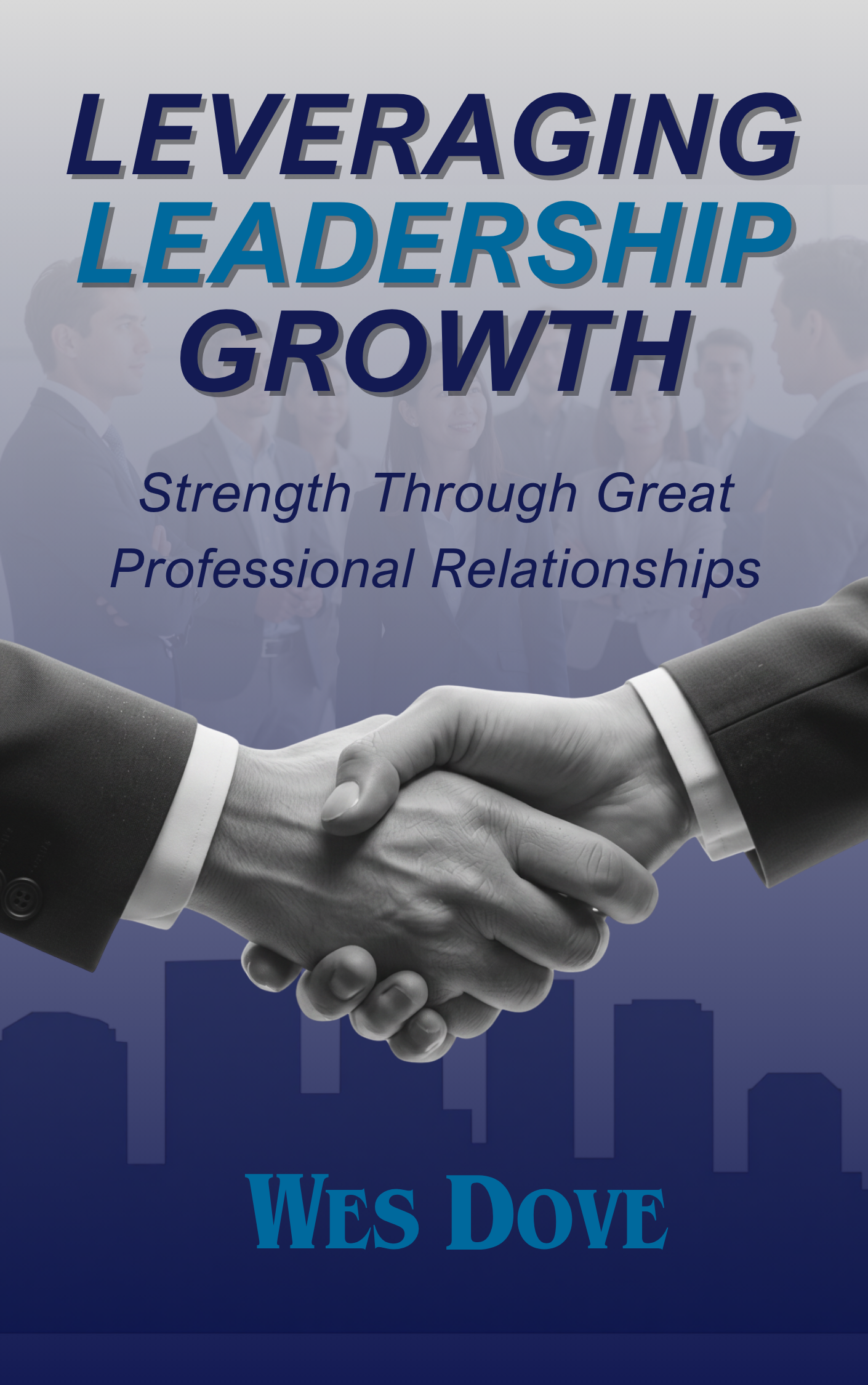
Coming November 19, 2026
Leveraging Leadership Growth
Strength Through Great Professional Relationships — with a Foreword by Cindy Dove.
90-DAY GUIDE: Lead Your Team Through Any Leadership Challenge
Did You Know?
Growing your leadership acumen is the fastest way to equip your team to lead through today's leadership challenges.
We've been equipping leaders like you for decades. We know you do not need another theory. You need a clear starting point and a simple system. This guide gives you both.
Download the Leadership Depth Playbook
Includes a 90-day action plan.
Just want the newsletter?
Skip the guide and get the monthly Resource Guide by email — leadership insights, no strings attached.
Already a leader who wants more?
200+ leadership lessons, live sessions twice a month with Wes & Cindy, and SHRM/HRCI credit for every lesson.
Try Leading At The Next Level Free for 14 Days »