
Weekly Leadership Digest
Cooperation and Sympathy Honed Through Conflict
Adversity forges the exact relational traits needed for values-driven leadership—conflict becomes a competitive advantage in trust, empathy, and cooperative power.
A 3-part weekly digest from Wes & Cindy Dove
This Week's Video — Cooperation and Sympathy Honed Through Conflict

Cooperation and Sympathy Honed Through Conflict
More than any other adversity I can point to, dealing with the facility being paid to care for Granny through the first six months of 2020 - and being barred from even visiting her through most of that - gave me perspective for sympathy. In complete transparency, I continue to develop some of that perspective as I share this. That's one more example showing the importance of constantly mining our previous challenges for the seeds of equal or greater benefit still hidden in them!
Cooperation was the thing we needed from that organization most, and it was something we just weren't getting. One thing I'll be clear about here is that most of the folks who were involved in day-to-day care weren't blatantly negligent; they were just stretched far too thin. In the two and a half decades I've studied John Maxwell's work, I can't count the number of times I've heard him say, “Everything rises and falls on leadership.” That was indeed the case there, with one caveat: I refuse to refer to the people who were in management and executive roles there as leaders. They certainly had authority, but they were not making a positive impact and they were not earning influence with the teams they were responsible for. For good measure, I'll share what the CEO told us one more time: “We couldn't hire more ($12-14/hr) employees even if we wanted to…”
Like the manager I was coaching experienced when I encouraged to (finally) hold his team member accountable, realizing any perceived friendship that may have existed only went one way, all hope of cooperation from decision-makers in that organization evaporated when we began asking them to live up to what they were being paid for - and what was required of them by state regulations. Still yet, caregiving adversity forges the exact relational traits needed for values-driven leadership. Conflict becomes a competitive advantage in trust, empathy, and cooperative power - we just needed to figure out where that competitive advantage was going to show up.
Throughout Leveraging Leadership Growth, I shared story after story detailing the opportunities I've had to grow - personally and professionally - by learning from the amazing people who have filled the various stages of my life. We had to face the reality that the facility being paid to care for Granny just wasn't going to be what she needed for the rest of her days, unless they killed her through their under-staffing or sheer neglect before we could identify an alternative. Once we came to terms with that, we began leveraging every relationship we could in uncovering options. It worked, and we'll look at exactly how that unfolded next. First, though, I want you to assess a recent scenario where you had to advocate for someone - be that an individual or an entire team - by holding another person (or organization) accountable to meet expectations. Where did cooperation lag? Was the party avoiding accountability less sympathetic than you would have expected them to be? We can't control the actions of others or the outcome of many situations, but we can absolutely control our own actions. What's one step you can take to strengthen the action you take the next time you're in a position of advocacy?
“Adversity forges the exact relational traits needed for values-driven leadership—conflict becomes a competitive advantage in trust, empathy, and cooperative power.”
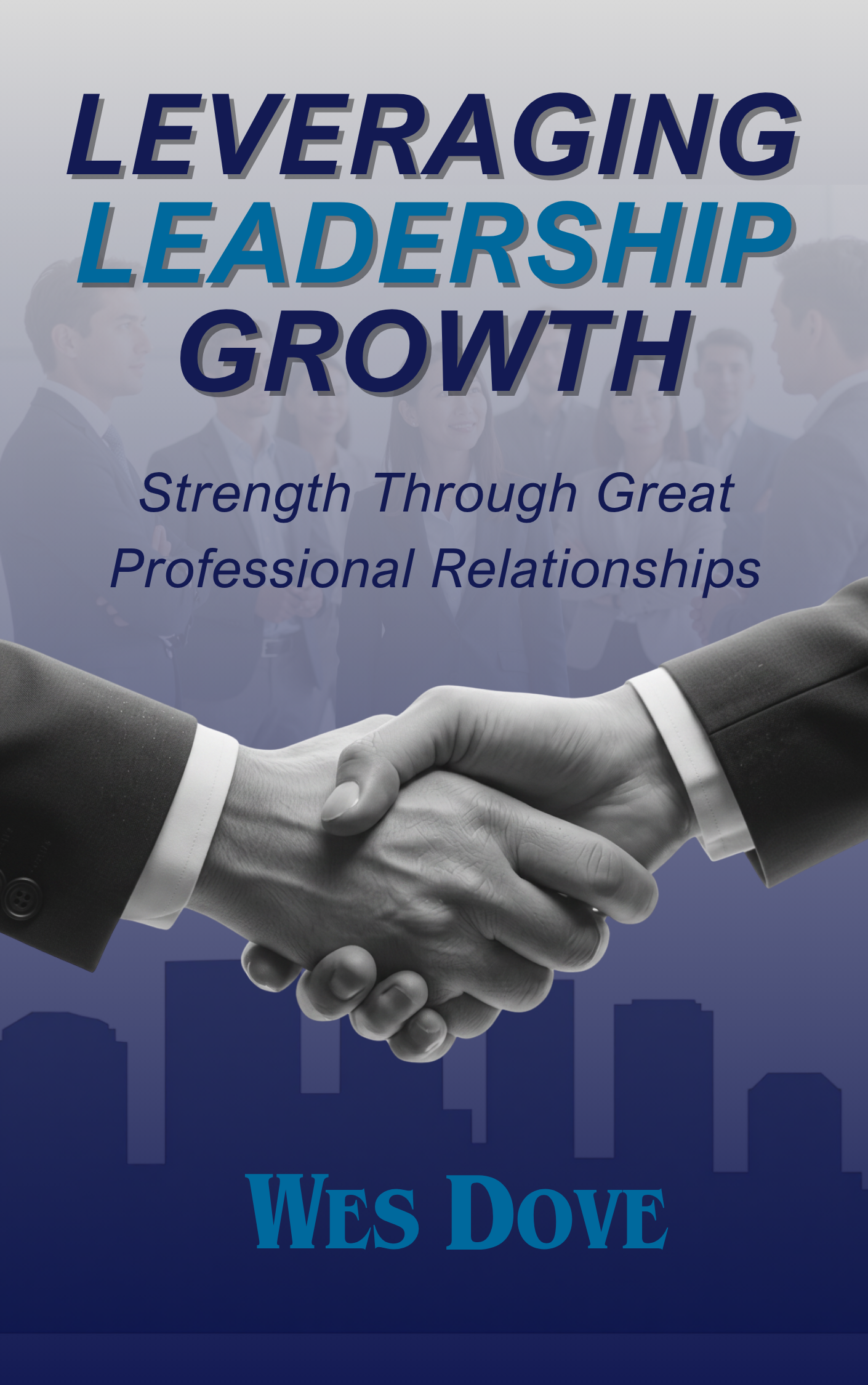
Coming November 2026
Leveraging Leadership Growth
The next book in the series — see how relationships fuel every stage of growth.
Quiet Strength
Influence Born of Protection
Earlier, I shared what John Maxwell taught me (and a group of a few hundred others) in 2015 about how one door can lead to another - and then another. The relationships we build, especially when we're willing to invest the necessary time and energy into nurturing them, do the same. And influence follows close behind.
In 2017 or 2018, my cousin launched a small, local newspaper geared toward engaging the surrounding community without the nonsense and slant that exists in EVERY traditional media outlet on the planet today. Most of the contributors shared stories about local history and niche interests. Shortly after the launch, she and I were talking and she suggested I do a monthly column tying communication - like Cindy and I were starting to teach the business clients we served - back to personal relationships. I admired what she was doing so I agreed.
As we worked through the Covid lockdowns and continued doing all we could to ensure Granny was receiving the care she needed, that relationship became incredibly valuable. My cousin's father was Granny's youngest brother and had just moved into a private home that provided him with round-the-clock care. In talking with her about some of what we were working through with the facility where Granny lived, she mentioned that this private home had one more room available and connected us with the family caring for her father. Within a few weeks, Granny had a new place to live; one where she received direct attention, a place where we could visit her daily, and one where she could spend time daily with her brother who she hadn't seen in several years. Had the price been twice as much, the juice would have been more than worth the squeeze. It was not. It was actually around forty percent of what the large facility had been pillaging while not fulfilling what they said they did or what they were required to do by law.
I frequently emphasize that the truest form of leadership is the act of serving others, rather than being something tied to the authority that comes solely through position or title. In fact, I alluded to that before when I referenced the (not so) complete care facility’s “executive” team instead of calling them a “leadership” team. The only people I ever saw them serve were themselves. This small, private home, however, modeled servant leadership daily through the care and compassion they showed Granny and her brother. The adversities we worked through with that larger organization reinforced that true leadership isn’t tied to professional status, contracts, or institutional favor but to courageous, empathetic advocacy for those who cannot fully advocate for themselves. A family with no position authority whatsoever modeled leadership better than that organization filled with people holding flashy titles ever attempted to.
Pivoting through caregiving conflicts builds authentic relational power; consistency in defending the vulnerable earns trust no system can cancel. We rarely know which relationship will lead us to the right door when we need it most. If we only invest in relationships that provide us with an immediate, measurable return, we'll likely never find the seeds that lead to the greatest opportunities - and we don't deserve to if we view relationships for only what they provide us immediately.
Quiet consistency, moral clarity, and cooperative effort amid blacklisting and fallout strengthened family unity, earned quiet respect in new networks, and proved influence compounds when we model protection of the vulnerable without positional power. I'm forever grateful for the family who cared for Granny for the rest of her life, allowing us to come into their home to spend time with her we never would have had otherwise. All said, the conflicts with the larger facility helped turn protection into relational power. We'll work through that as we begin tying this idea of defending the vulnerable together. Before that, though, think of a small piece of your advocacy-for-the-vulnerable story and share it with someone you trust. Be intentional about detailing the ripple effect your actions had on others.
“Pivoting through caregiving conflicts builds authentic relational power; consistency in defending the vulnerable earns trust no system can cancel.”
Core Lesson
Conflicts Turn Protection into Relational Power
Granny passed away on August 3, 2020; not from Covid or from a lack of care. Had it not been for the family who cared for her in their home, I'm not sure either of those could have been said. What I am sure of is that we would not have had the time with her through the final weeks of her life that we did if she'd still been in the large facility. I said it before and I'll say it again: I'm forever grateful for that family and the compassion they showed all of us through that time. While I miss her every day, she was six weeks shy of her 97th birthday and lived a very full life.
Our lives were wide-open throughout the final year Granny was with us; business momentum and unbelievable opportunities, then the screeching halt all that came to in March of 2020. In the 44 years I had with Granny, I learned a lot from her. That said, I believe the depth of how I experienced Napoleon Hill's eighth leadership attribute, sympathy and understanding, may never have come without what we fought through on her behalf from January to June of her final year. If nothing else, that whole mess taught me that adversity's seed grows strongest in relational soil. Those caregiving trials forced us to understand her struggles deeply, and to do everything in our power to gain cooperation under pressure. While that cooperation never came from the organization she had lived at from more than 20 years, it resulted in us building influence that no title or institutional approval can replicate.
Making the best of any conflict isn't about defeating institutions—it's intentional preparation that transforms moral stands into chains of deeper relational influence and leadership readiness. All too often, a potential conflict with any type of entity we view as larger or more powerful than ourselves results in one of two things: a complete blow up that serves no one involved or making the choice to avoid addressing the issue at all due to the perceived repercussions. Without each of the eleven attributes we've looked at repeatedly through this process, I don't think I could have avoided the complete blow up. (I can honestly say that any perceived or real repercussions were the last thing I would have been concerned about!)
Leaning into all the self-control I could muster and taking a stand to do all I knew to defend Granny when she was the most vulnerable I had ever seen her certainly didn't win me any friends within that large organization - and I have zero regrets. I've never had much use for anyone who's willing to say one thing publicly and do something else privately, and many of the folks on that executive team were doing just that on the daily. And the ripple effects that came from pushing back against them carried through to a few other organizations that were a bit too cozy with them; so be it. But from even those adversities, we found (and are still finding) seeds to far greater opportunities - in business and in our personal relationships.
As with each “bad situation” I've shared with you through this process, we'll wrap this one up with a list of questions geared at helping you mine your own conflicts, caregiving or otherwise, for whatever seed may still be hidden within them. Before we do that, I want you to take just a few minutes to reflect on each of the things I've challenged with to this point and outline how one protective stand could amplify your current leadership impact at home, at work, or in your community.
“Making the best of any conflict isn't about defeating institutions—it's intentional preparation that transforms moral stands into chains of deeper relational influence and leadership readiness.”
Mining the Seeds
Mining Conflicts for Sympathy and Cooperation Seeds
I realize there will be folks who read what I've shared here detailing the conflicts we experienced while doing all we could to advocate for Granny during the most vulnerable time of her nearly 97 years as throwing stones at a particular organization. While some of this may have been soft lobs in their general direction, I can assure you that the real stones were thrown face to face. I've only alluded to them here, while keeping the organization nearly anonymous, with hopes of stirring any emotion possible inside of you to challenge you to mine through any similar conflict you've experienced in order to pull every possible seed still hidden there.
For us, that battle reinforced that true leadership isn't tied to professional status, contracts, or institutional favor but to courageous, empathetic advocacy for those who cannot fully advocate for themselves. Quiet consistency, moral clarity, and cooperative effort amid blacklisting and fallout strengthened family unity, earned quiet respect in new networks, and proved influence compounds when we model protection of the vulnerable without positional power.
Like each scenario before, here are five questions for you to consider:
- What conflict or defense of a vulnerable person still carries weight?
- What blind spot or habit did it reveal, and what seed (e.g., sympathy, understanding, or cooperation) was hidden?
- How could a decisive protective stand strengthen your courage or cooperative relationships?
- In what ways might nurturing this seed improve your influence without title—especially with family, teams, or those who depend on you?
- What three small, immediate actions can you take this week to plant and nurture it?
With the pace I'm wired to run at - all day, every day - slowing down to truly think through questions like these is nothing short of painful for me. Thankfully, Cindy has done an amazing job of building blocks of reflection and focused thinking into the time we spend together. She also routinely sits me in time-out to make sure I pay attention to the progress we're making on any given project. Otherwise, I'd likely keep pushing forward with my head down and miss so many of the seeds hidden within the adversities we're working through. Make no mistake, targeted reflection turns moral conflicts into leadership gold. My challenge for you is to start defending the vulnerable (and yourself) with clearer eyes now. Be sure to write down your answer to each of these five questions, and do it by hand because there's just no substitute for how we internalize something we've written out that way. Then share the first action step you can put into practice with someone you're willing to be accountable to. By the time you've done that, you should be more prepared for your next adversity - because it will certainly come. And I'll share how defending the vulnerable helped prepare us for the adversities that followed next.
“Make no mistake, targeted reflection turns moral conflicts into leadership gold.”

90-DAY GUIDE: Lead Your Team Through Any Leadership Challenge
Did You Know?
Growing your leadership acumen is the fastest way to equip your team to lead through today's leadership challenges.
We've been equipping leaders like you for decades. We know you do not need another theory. You need a clear starting point and a simple system. This guide gives you both.
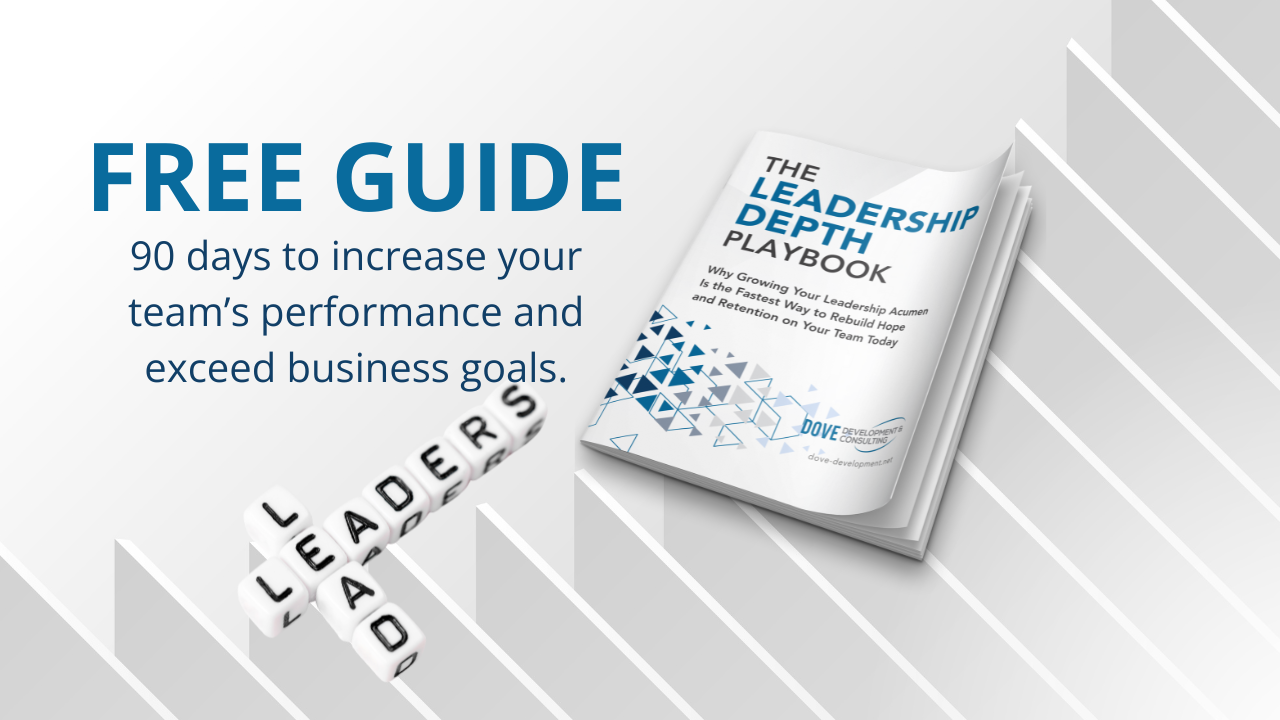
Download the Leadership Depth Playbook
Includes a 90-day action plan.
Just want the newsletter?
Skip the guide and get the monthly Resource Guide by email — leadership insights, no strings attached.